Best Places to Live for Entrepreneurs in 2026: Our Top 10, Ranked
Our top 10 places to live for entrepreneurs, high earners and investors in 2026, from Bali to Dubai: what you would pay in tax, how you get residency and who each one is for.
In a lot of high-tax countries you pay up to 50% in tax, and what you get for it is cities that do not feel safe, services that do not work, and a culture where making money is something to feel bad about. Some places get this right. A few charge 0%; others charge some tax but give you a lot for it: safety, infrastructure that works, good weather and ambitious people around you.
These are, in our opinion, the 10 best places to live in the world for an entrepreneur, high earner or investor. We ranked them on 5 things: tax, safety, the people you would be around, infrastructure, and weather and lifestyle. Some are best while you are still building your business, others once you have made the money.
- 1. Dubai
- 0% personal tax, 9% company tax at most
- 2. Singapore
- About 17% in total for a business owner
- 3. Zug
- About 23% in total, no tax on private capital gains
- 4. Monaco
- No personal income tax
- 5. Hong Kong
- Only Hong Kong income is taxed
- 6. Limassol, Cyprus
- About 15% in total, tax resident from 60 days
- 7. Miami
- No state income tax
- 8–10
- New York, Cape Town, Bali
The ranking at a glance
| Compared | Tax for a business owner | Best for |
|---|---|---|
| 1. Dubai | 9% at most, 0% personally | Almost everyone |
| 2. Singapore | About 17% | Families building a business in Asia |
| 3. Zug | About 23% | Safety and a serious base in Europe |
| 4. Monaco | 0% personally | People who have already made the money |
| 5. Hong Kong | Up to 16.5% | Finance and access to China |
| 6. Limassol | About 15% | The EU, low tax and the sea |
| 7. Miami | Federal tax only | Americans, or a winter base |
| 8. New York | Just over 50% at the top | Americans who want the city |
| 9. Cape Town | Up to 45% without a structure | A seasonal base |
| 10. Bali | Up to 35% without a structure | A few months a year, or starting out |
10. Bali
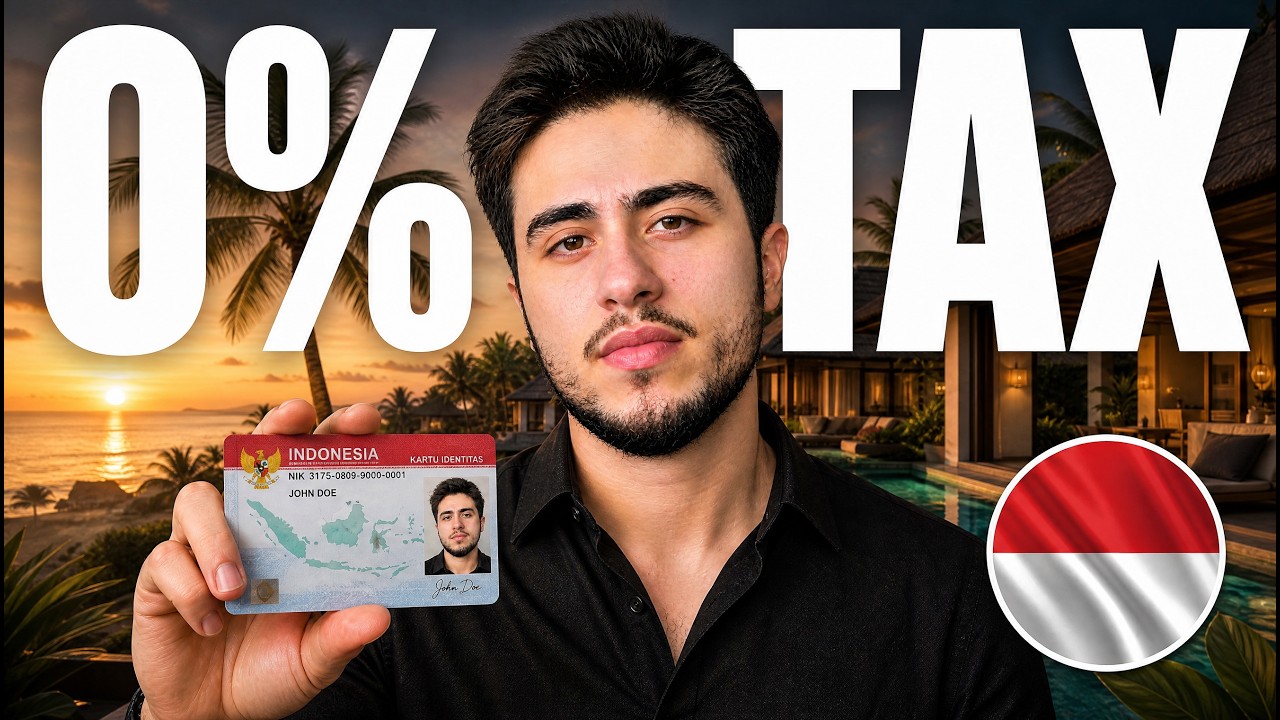
Bali is an island in Indonesia, and for lifestyle it is hard to beat: warm all year, close to the beach, and cheap to live well, with great service and healthy food. There is a good community of entrepreneurs, more freelancers, creators and influencers than owners of 8- or 9-figure businesses, but you will find them too.
The downsides are healthcare and infrastructure. Ordering things online can be slow and complicated on a small, remote island, and the time difference to Europe or the US is impractical. Tax is not ideal either: Indonesia taxes residents on their worldwide income at up to 35%. You can live there and legally pay very little, but it needs a proper setup.
A few months a year, visitor visas are enough. To live there you need a residence permit, for example as the investor in your own Indonesian company, or Indonesia's digital nomad visa if you earn at least $60,000 a year from a company outside Indonesia. Bali is great for a couple of months a year, or when you are young and starting out; as a permanent base, infrastructure and tax put it at number 10.
9. Cape Town
If we ranked only nature, weather and value for money, Cape Town would be close to number 1. Table Mountain, the beaches and the wine country are all within about an hour, summers from December to March are warm and dry, living well is cheap, and there is a big expat community from Germany, the Netherlands and the rest of Europe. Many people think it is unsafe; in the areas where foreigners live, it feels much like a European city.
The real downsides are the infrastructure, since it is still a developing country, and tax: South Africa taxes residents on worldwide income at up to 45%, and the right structure has to be set up properly to bring that down. You do not become tax resident quickly, though. By day count alone, it only happens in your 6th year, after more than 91 days there every year and more than 915 days in total.
For residency, the financially independent permit gives you permanent residence with a net worth of at least R12 million, about $740,000. Most Western passports get 90 days without a visa. Cape Town is the best seasonal base on this list.
8. New York
New York is one of the great cities of the world, full of rich and ambitious people in finance, media, fashion, tech and real estate, and it never switches off. But winters are cold, summers hot and humid, and it is extremely expensive.
The tax stacks up. The US taxes residents on worldwide income at up to 37% federally, New York State adds 9.65% above about $1,000,000 and the city adds 3.876%, so the top part of your income is taxed at just over 50%, and dividends and capital gains at about 37%. Politically, the city is moving the wrong way for people with money: the mayor elected last year wants to raise the city's tax on incomes above $1,000,000 by 2%, although the state has not agreed.
For Americans it is one of the best places to live in the country. For everyone else, the E-2 visa lets you live there for a few years, but a green card or US passport pulls you deep into the US tax net: you are taxed as a US resident wherever you live, and giving it up later can trigger an exit tax.
7. Miami
Miami has the same federal tax and the same visas as New York, but Florida is better on tax, the energy is younger and the weather much better. Florida has no state income tax, and its constitution does not allow one, so compared with New York you save around 13.5% on the top part of your income. It is warm all year, with the ocean right there, although hurricane season runs from June to November. Hedge funds, crypto and real estate people and many wealthy Latin Americans have moved there in recent years.
If you are not American, you can spend around 4 months a year there without becoming a US tax resident, so it works well as a winter base.
6. Limassol, Cyprus
Cyprus is in the EU, English is everywhere, and Limassol is where the business community sits. The weather is among the best in Europe and the beach is in the city. The city itself is not beautiful, rents have risen sharply, and the nearest airport is about 45 minutes away.
The tax is why it ranks this high. As a non-dom, your dividends and interest are tax-free for 17 years; you only pay the 2.65% health contribution, capped at about €4,770 a year. A Cyprus company pays 15%, so as a business owner you are at about 15% in total, and with the right setup lower. Without an EU passport, permanent residence costs a €300,000 investment, and 60 days a year can be enough for tax residency if you have a home and a business there and spend no more than 183 days in any other country. Our guide to moving to Cyprus covers it in full.
The same rules apply anywhere in Cyprus: Larnaca is smaller and cheaper with the main airport next to it, Paphos quieter with more nature, families and retirees, and Nicosia, the inland capital, more local and the cheapest. Cyprus is for business owners who want the EU, low tax and the sea.
5. Hong Kong
Hong Kong is one of the world's biggest financial centres, and it is efficient: the metro, the airport and the services work, and crime is very low. Within about 30 minutes of the skyscrapers you can be on a hiking trail or a beach. Summers are hot and humid, winters mild.
It only taxes income from Hong Kong. Dividends, capital gains and foreign income are not taxed, a company pays up to 16.5% and nothing more when you take the money out, and a salary is taxed at about 15%. The Top Talent Pass works if you earned at least HK$2.5 million last year, about $320,000, and profit from your own company counts; it gives you 3 years to start with.
The downsides are the humidity and small, expensive flats, and since 2020 Beijing has had much more influence. For some people that is a reason not to go; for others a reason to go, to be part of China's growth.
4. Monaco
Monaco is mild all year, Nice airport is about 30 minutes away, it is one of the safest places in the world, and many of the people around you are very wealthy. There is no personal income tax, so nothing on your salary, dividends or gains, and no controlled foreign company rules, so companies abroad can be structured down to an effective 0%. A business that operates from Monaco and earns a quarter or more of its turnover abroad pays 25% corporate tax, and where that line sits depends on how the business runs. French nationals are the exception: France keeps taxing most of them.
Everyone needs a residence card, which takes a home there and, in practice, a Monaco bank that accepts you, usually with €500,000 to €1,000,000 placed with it, and you have to genuinely live there. Monaco is a true 0% country on the Mediterranean; the downsides are the cost, its size, and far fewer young founders than Dubai or Miami.
3. Zug
Zug is a small, wealthy town on a lake about 25 minutes from Zurich by train, with the Alps behind it: extremely safe, clean, and everything works. It is known as Crypto Valley, and many commodity traders are based there.
You pay some tax, but less than almost anywhere else in Switzerland. A company in Zug pays about 11.7%, only part of your dividends is taxed when you take the profit out, and as a business owner you end up at about 23% in total. Private investors in Switzerland pay no tax on capital gains, crypto included, and Zug's wealth tax is low.
With an EU passport you can move there with a job, your own business or enough money to live on. Without one it is much harder: you usually need to be a qualified hire, or set up a business the canton sees as a real benefit, for example because it creates jobs. The downsides are the cost, the grey winters and the quiet.
2. Singapore
Singapore might be the best-run city in the world: clean, very safe and green, with English as the language of business and an excellent airport, healthcare and schools. It is hot and humid all year. You pay some tax, but you get a lot for it.
Personal tax goes up to 24%, but only above S$1 million, about $780,000. Capital gains are not taxed, dividends from Singapore companies are tax-free, and foreign income generally is not taxed either. Companies pay 17%, so as a business owner you are at about 17% in total.
Residency is the hard part. The usual route is an Employment Pass through your own Singapore company, which needs a real business there and a salary of at least S$5,600 a month, more if you are older. The Global Investor Programme gives permanent residence directly, but it starts at S$10 million. The downsides are the cost, the heat and the distance, about 13 hours from Europe.
1. Dubai
Dubai is one of the best cities in the world to live in. Services are fast, crime is very low, people come from all over the world to build something, and success is celebrated rather than resented. Europe is 6 to 7 hours away. From October to April the weather is perfect; from June to September it is often over 40°C.
There is no personal income tax, so nothing on your salary, dividends or capital gains. A UAE company pays 0% on its first AED 375,000 of profit, about $100,000, and 9% above that, so as a business owner you pay 9% at most, and for a few activities, such as family offices and commodity trading, it can be 0%. Our guide to tax in Dubai goes through it.
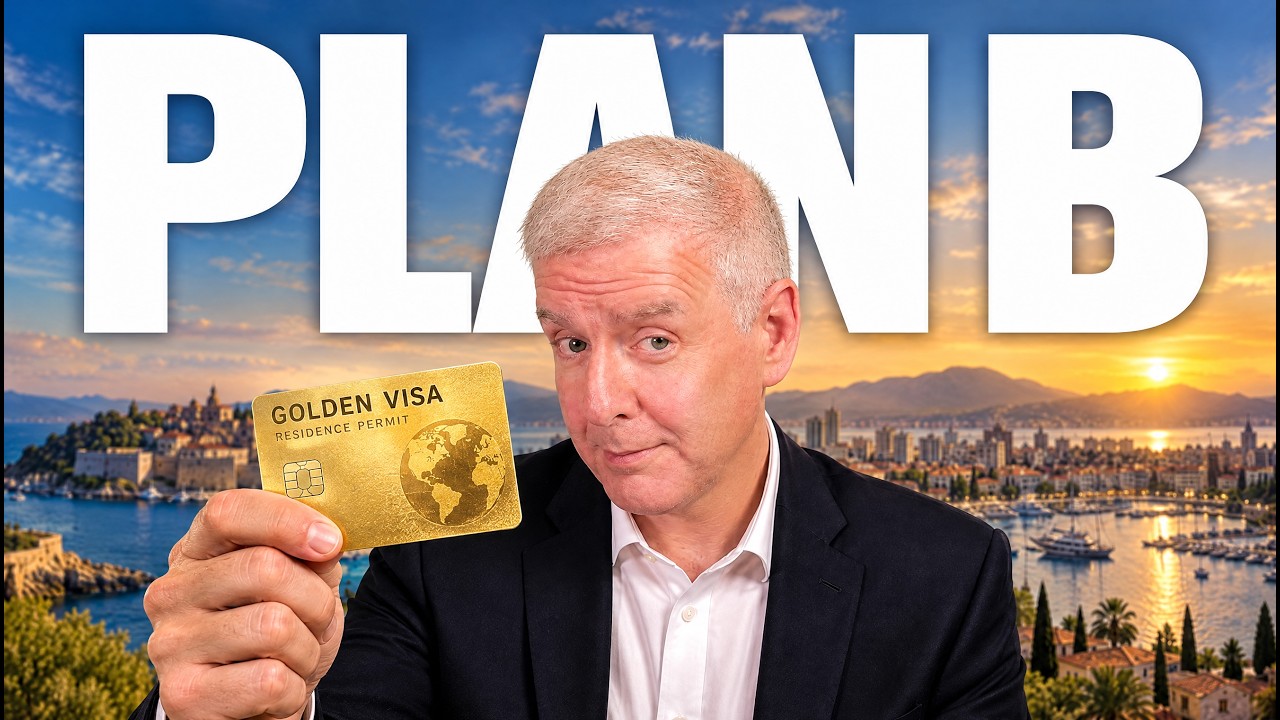
Residency is easy: your own company can get you a residence visa, or the golden visa gives you 10 years, for example for property worth AED 2,000,000, about $545,000. 90 days a year can be enough for tax residency with a residence visa and a home or business there.
The downsides are the summer, less nature and culture than Europe, and in 2026 the conflict with Iran. Still, no other place combines 0% personal tax, very low crime, this much convenience and this many ambitious people.
Questions
What is the best place to live for entrepreneurs in 2026?
In our ranking, Dubai: no personal income tax, a 9% company tax at most, very low crime, easy residency through your own company or the golden visa, and tax residency possible from 90 days a year. Singapore and Zug follow.
Which of these places has no personal income tax?
Dubai and Monaco. Monaco has no personal income tax for most residents, French nationals excepted, and Dubai none at all. Hong Kong and Singapore do not tax capital gains or most foreign income.
Where in Europe can an entrepreneur pay the least tax?
Of the places on this list, Monaco with 0% personal income tax, then Cyprus at about 15% in total for a business owner with non-dom status, and Zug at about 23%.
Is Miami better than New York for tax?
Yes. Florida has no state income tax, so compared with New York's 9.65% state tax and 3.876% city tax, you save around 13.5% on the top part of your income. Federal tax is the same in both.
Can I live in Bali or Cape Town without paying high tax?
Both tax residents on worldwide income, at up to 35% in Indonesia and 45% in South Africa, so it takes a proper structure. As a seasonal base they work well: South Africa only makes you tax resident by day count in your 6th year.
Which place is easiest to get residency in?
Dubai: your own UAE company can sponsor a residence visa, and the golden visa gives 10 years for AED 2,000,000 in property. Singapore and Zug are the hardest without the right job or business.
Which one fits you
That is our ranking. Which place fits depends on how you make your money, where your company operates and where you live now, and if you are in a high-tax country, how you leave has to be handled first. If you run a business at 7, 8 or 9 figures, or you are a high-net-worth individual, book a consultation and we will work out the best setup for your situation.